The escalating dynamics of a U.S.-led tariff war, while primarily a tool to rebalance trade relationships and protect domestic industries, could ripple into the cryptocurrency market in unexpected ways. As tariffs disrupt traditional supply chains, inflate consumer prices, and strain global trade networks, cryptocurrencies like Bitcoin and stablecoins may gain traction as alternative hedges against economic uncertainty or tools for circumventing trade barriers. Conversely, retaliatory measures and market volatility could also expose crypto assets to regulatory crackdowns or reduced investor risk appetite. This interplay between trade policy and digital currencies highlights how geopolitical friction might reshape financial innovation—and vice versa—in an increasingly interconnected global economy.
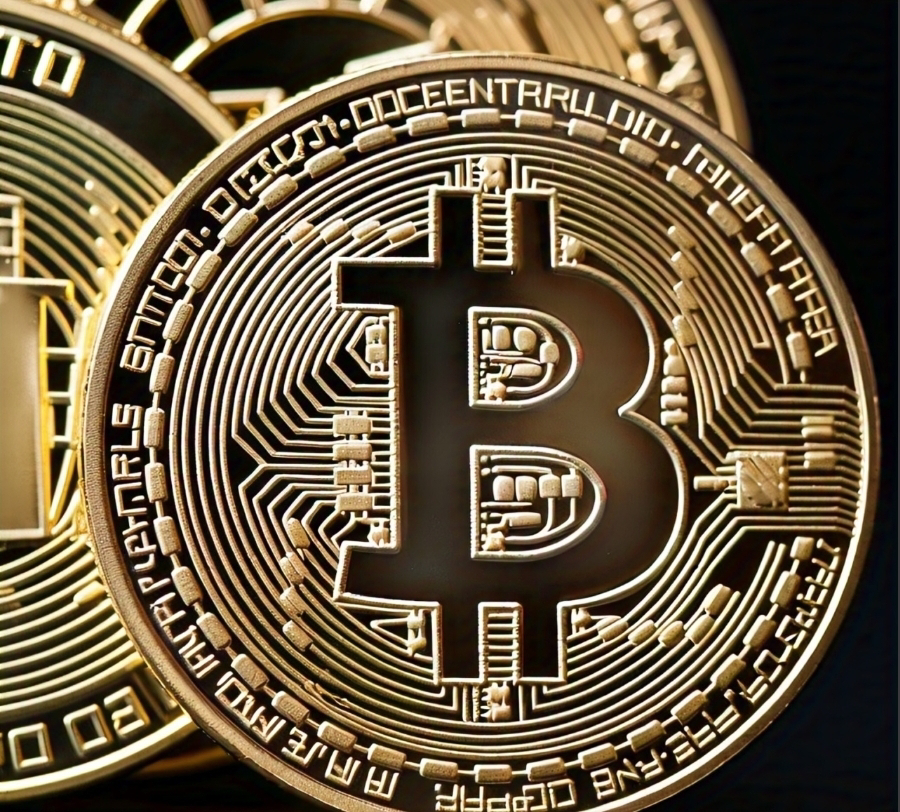
This Tariff stimulated uncertainty gives rise to these three Cryptocurrencies to watch.
Bitcoin (BTC). Bitcoin’s dual role as a speculative asset and a potential inflation hedge makes it uniquely positioned during tariff conflicts. In the short term, tariffs may trigger risk aversion, causing Bitcoin to correlate with equities and dip alongside traditional markets. Bitcoin fell 6.2% following Trump’s February 2025 tariff announcements as investors fled risky assets. However, analysts argue that prolonged economic instability—such as stagflation or dollar weakening—could strengthen Bitcoin’s appeal as “digital gold.” If tariffs accelerate inflation and erode trust in fiat currencies, Bitcoin’s fixed supply and decentralization may attract long-term demand. Additionally, mining costs could rise if tariffs target Chinese-made ASIC hardware, potentially redistributing mining power to regions with cheaper energy and fewer trade barriers.
Stablecoins (USDT, USDC). Stablecoins pegged to the U.S. dollar or other fiat currencies are likely to see heightened demand as tariffs inject volatility into global markets. During the February 2025 tariff-induced crypto selloff, stablecoins acted as a temporary safe haven, enabling traders to park funds while awaiting re-entry opportunities. Their stability also makes them practical for cross-border transactions, especially if tariffs complicate traditional forex channels. However, regulatory scrutiny could intensify if governments perceive stablecoins as tools to bypass trade controls, potentially leading to stricter oversight.
Ethereum (ETH). Ethereum’s price action is more closely tied to tech-sector trends than Bitcoin’s, making it vulnerable to tariff-related market sentiment shifts. ETH plummeted nearly 25% in three days during the February 2025 tariff announcement, reflecting its higher correlation with risk assets like the NASDAQ. Nevertheless, Ethereum’s utility in decentralized finance (DeFi) and smart contracts could drive long-term resilience. If tariffs disrupt traditional financial systems or spur innovation in decentralized trade solutions, Ethereum’s ecosystem may benefit from increased adoption of blockchain-based alternatives.
Long term is great, but what's awesome are the short term Cryptocurrencies to watch.
Dogecoin (DOGE). Dogecoin’s meme-driven volatility makes it a lightning rod for speculative trading during geopolitical chaos. When tariffs spooked markets in early 2025, DOGE surged 40% in 48 hours as retail traders piled into low-cap assets, only to crash 60% days later when sentiment reversed. Its lack of fundamental utility amplifies risk, but its viral community ensures rapid price swings that could capitalize on tariff-related headlines.
Shiba Inu (SHIB). Shiba Inu’s hyper-volatility and massive token supply make it a playground for short-term traders. During the February 2025 tariff announcements, SHIB’s price swung wildly between +30% and -50% within a week, driven by leveraged trading and social media hype. However, its reliance on speculative narratives and minimal real-world use cases leaves it exposed to abrupt selloffs if risk appetite dries up.
Pepe (PEPE). The newest memecoin sensation, Pepe, thrives on absurdist internet culture and extreme liquidity fluctuations. PEPE spiked 1,200% in March 2025 as tariff fears pushed traders toward “joke” assets, but its lack of exchanges and thin order books mean even minor news—like rumors of Chinese trade retaliation—could trigger 50% daily drops.
The collision of tariff wars and cryptocurrency markets is a high-stakes experiment in economic adaptation. While Bitcoin and stablecoins may emerge as long-term hedges against inflation and trade barriers, memecoins like DOGE and PEPE will likely serve as speculative proxies for geopolitical gambles. Investors navigating this landscape must tread carefully. The same volatility that promises quick gains could evaporate portfolios overnight. As trade wars fracture global markets, crypto’s role evolves from rebellious outlier to a mirror reflecting humanity’s chaotic dance between protectionism and innovation. In this new era, the only certainty is uncertainty—and the crypto market will amplify it.


